
This Croatia wildlife guide helps you distinguish forest, wetland and coastal wildlife experiences and plan around the visitor rules for each place. An animal’s presence in a region does not mean it is likely to appear on a normal walk or boat trip. Start with the habitat, the current visitor programme and responsible observation, rather than a checklist of promised sightings.
Introduction to Croatia’s Wildlife
The Diversity of Wildlife in Croatia
Croatia is a land of diverse ecosystems, each teeming with unique species. From the dense forests to the Adriatic coast, the wildlife in Croatia is a testament to the country’s commitment to preserving its natural heritage. The Croatia wildlife guide will showcase just how many animals in Croatia there truly are.
Importance of Conservation in Croatian National Parks
Croatian National Parks play a crucial role in protecting Croatia’s wildlife and maintaining the ecological balance. These protected areas offer a natural habitat for numerous species, including vulnerable and endangered animals. Conservation efforts ensure that future generations can also appreciate the majestic creatures that call Croatia home.
Overview of Croatia’s Unique Ecosystems
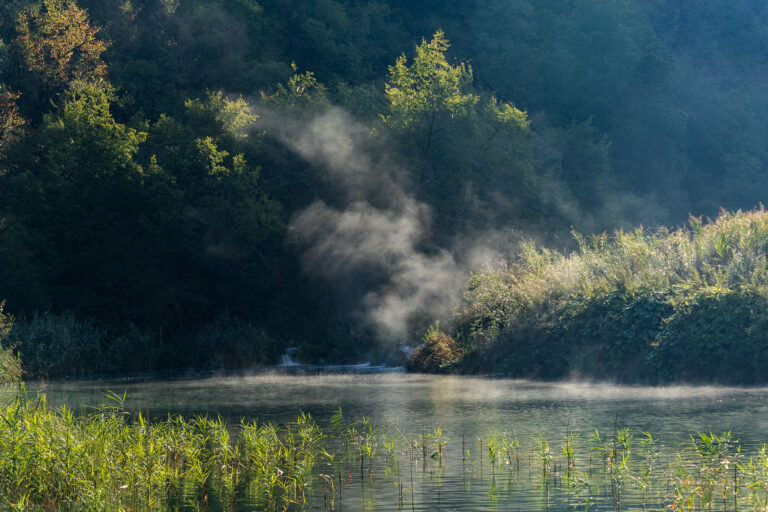
Croatia boasts a variety of ecosystems, each supporting a unique array of wildlife. From the wetland areas to the rugged Dinaric Alps, these diverse environments create a haven for a wide range of species. Understanding these ecosystems is key to appreciating the richness of Croatia’s natural heritage.
National Parks and Their Unique Flora and Fauna
Plitvice Lakes National Park: A Biodiversity Hotspot
Plitvice Lakes National Park, a UNESCO World Heritage site, is a prime example of Croatia’s commitment to preserving its natural beauty. The park’s unique geology and diverse plant life create a haven for a variety of species in Croatia, making it a must-visit destination for wildlife watching enthusiasts.
Krka National Park: Waterfalls and Wildlife
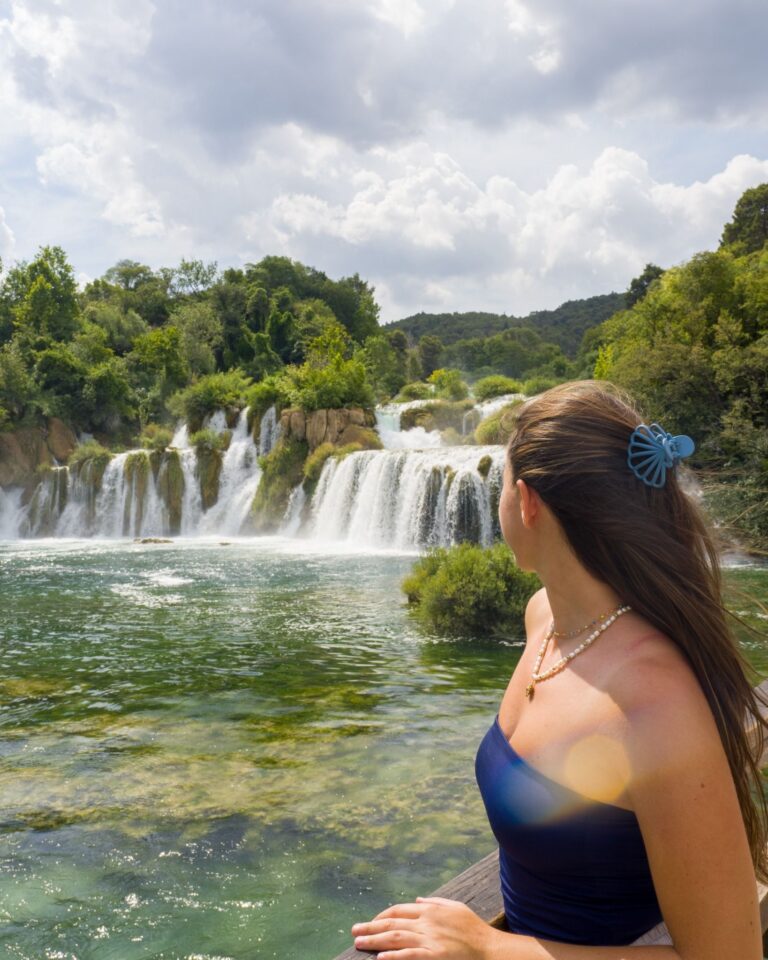
Krka National Park is famous for its stunning waterfalls and diverse wildlife. This park offers a unique blend of natural beauty and ecological significance. Visitors can witness a range of animals in Croatia thriving in this protected area, from birds to amphibians.
Brijuni National Park: An Island Paradise
On Veliki Brijun, free-ranging deer and mouflon form part of the island’s managed landscape. They should not all be described as native Croatian wildlife: the park’s island-fauna guide explains that axis deer, fallow deer and mouflon were introduced in the early twentieth century. Follow the park’s current visitor guidance and do not feed or disturb animals.
Iconic Animals in Croatia
The Majestic Eurasian Brown Bear
The Eurasian brown bear is one of the most iconic mammals in Croatia. These magnificent creatures roam the forests, particularly in the Gorski Kotar region. Conservation efforts are crucial to ensuring the continued survival of the brown bear population in their natural habitat within Croatia.
Exploring the Life of the Lynx in Croatia
The Eurasian lynx lives in the Dinaric forests, including Gorski Kotar. LIFE Lynx research uses systematic camera-trap monitoring to study this elusive animal across Croatia and Slovenia. That evidence of a population is not a visitor sighting forecast. Choose a forest walk for its habitat and interpretation, not an expectation of seeing a lynx.
Dolphins of the Adriatic Sea: A Marine Marvel
Dolphins live in the Adriatic, but a coastal boat trip should not be presented as a guaranteed encounter. The Blue World Institute’s dolphin-conservation guidance explains why chasing, feeding and swimming with wild dolphins can cause harm. Choose observation that gives animals space and lets them continue their normal behaviour; do not seek close contact.
Birdwatching Opportunities in Croatia
Spotting the Griffon Vulture in Croatia
For a grounded introduction to griffon vultures on Cres, start with the Beli Visitor Centre and Rescue Centre. Its exhibition explains the birds, local conservation work and the island’s natural heritage. Check current opening and visiting information rather than assuming that any summer visit or national-park trip will produce a sighting. Observe wild birds without disturbing nesting areas.
Bird Species Unique to Croatian National Parks
Birdlife varies between forest, river, island and wetland habitats; these birds are not necessarily unique to Croatia. The Kopački rit birdwatching programme highlights spring and autumn migration and explains that water levels affect where visits can operate. This is a nature park in eastern Croatia, separate from a Krka and Plitvice itinerary. For a family park visit, see our practical guide to family adventures in Croatia’s national parks.
Best Locations for Wildlife Watching
Choose a destination by habitat and the visitor experience you want. A Krka and Plitvice visit from Split is planned around lakes, waterfalls and marked park routes, not a dedicated bear, lynx or dolphin safari. Specialist wetland birdwatching, a Cres visitor-centre visit and a mountain-forest walk are different activities and should be researched separately. No wild-animal sighting is promised.
Understanding Dangerous Animals in Croatia
Identifying Dangerous Animals: What to Watch Out For
Knowing how to identify potentially dangerous wild animals in Croatia is crucial for a safe trip, ensuring respect for their natural habitat. Some of these animals are:
| Animal Type | Species |
|---|---|
| Bear | Brown Bear |
| Canid | Wolf |
| Suid | Wild Boar |
Safety Tips for Encountering Wild Animals
Keep a safe distance from wildlife, avoid feeding them, and never approach young animals. Staying informed about local wildlife behaviour ensures a safe and respectful encounter, safeguarding both you and the animals in Croatia.
Myths vs. Facts About Dangerous Wildlife
Do not treat a predator’s presence on a park species list as evidence that it is likely to be encountered. Plitvice’s official brown-bear guidance describes bears as timid and advises visitors to remain calm, slowly move away if one is encountered, and never approach cubs. Follow current ranger advice; a general travel guide cannot assess an individual animal or situation.
Unique Underwater Life in the Adriatic Sea
Exploring Sea Urchins and Other Marine Species
The Adriatic Sea is a treasure trove of marine life. Snorkelling or diving along the Dalmatian coast reveals a vibrant underwater world, showcasing the beauty of Croatia’s marine biodiversity. These marine creatures play a vital role in maintaining the health of the Adriatic ecosystem.
Conservation of Marine Wildlife in Croatia
Croatia is committed to the conservation of marine wildlife in the Adriatic Sea. Efforts include protecting vulnerable species and preserving marine habitats. Responsible tourism and fishing practices are essential for ensuring the long-term health of Croatia’s Adriatic marine ecosystem.
Best Practices for Responsible Diving and Snorkelling
Avoid touching or disturbing marine life and refrain from collecting souvenirs. Supporting eco-friendly tour operators contributes to the sustainability of Croatia’s underwater environment, ensuring future generations can enjoy its beauty.
Practical Tips for Wildlife Watching in Croatia
Best Times and Locations for Wildlife Watching
There is no single wildlife season that suits every Croatian habitat. Kopački rit’s published birdwatching information highlights migration periods, but the route and type of visit depend on water levels and current arrangements. For Cres, use Beli’s current visiting information. In mountain forests, do not turn the presence of bears or lynx into a promise of sightings during cooler months. Check the operator or park before fixing your plans.
| Habitat or Visit | Planning Guidance |
|---|---|
| Kopački rit wetland birds | Research spring or autumn migration, current water levels and the published visitor programme. |
| Cres and griffon vultures | Check Beli visitor-centre information and conservation guidance; do not approach nesting areas. |
| Mountain forests and large mammals | Use permitted marked routes and ranger advice. There is no promised bear or lynx encounter. |
Equipment and Preparation for Wildlife Enthusiasts
Binoculars are indispensable for observing wildlife from a distance. A reliable wildlife guide can help you navigate dense forests and national parks safely. Besides the guide, maps and compasses are important for navigation. Also, consider bringing appropriate clothing and sturdy hiking boots.
| Category | Items |
|---|---|
| Navigation | Reliable wildlife guide, maps, and compasses |
| Personal Gear | Appropriate clothing, sturdy hiking boots |
Guided Tours vs. Solo Exploration
For a specialist wildlife activity, check the actual programme, access arrangements and the guide’s relevant experience before booking. A standard park visit is not automatically a wildlife-watching tour. Self-guided visitors must stay within permitted visitor areas and follow current local rules; Plitvice’s rules of conduct prohibit leaving marked footpaths, feeding animals and disturbing them.
Recap of Croatia’s Wildlife Attractions
Croatia’s forests, wetlands, islands and sea support very different wildlife experiences. Plan for the landscape, the conservation story and a responsible visit first. Seeing an animal in the wild is a possibility, not an inclusion that every tour or independent walk can deliver.
Encouragement for Responsible Wildlife Tourism
Remember the importance of responsible tourism. Respecting the natural habitat, minimising disturbance to animals, and supporting local conservation efforts are essential for ensuring the long-term sustainability of Croatia’s wildlife.
Future of Wildlife Conservation in Croatia
The future of wildlife conservation in Croatia depends on continued dedication to protecting its natural habitats and promoting sustainable practices. Collaboration between the government, conservation organisations, and local communities is vital for safeguarding Croatia’s natural heritage.
FAQs about Wildlife in Croatia
What are the most common wildlife species in Croatia?
That depends on the habitat, season, access and chance. Bears, wolves, lynx, dolphins and griffon vultures are notable Croatian species, but naming them is not a forecast for a visitor. Choose a location-specific programme and ask what it actually covers rather than treating an iconic-species list as a checklist.
Are there any dangerous animals I should be aware of in Croatia?
Potentially dangerous animals include the brown bear, wolf, and wild boar.
When is the best time to visit Croatian national parks?
Choose dates for the particular park, walking route or wildlife activity, not a universal best-month rule. Check current opening times, conditions and programme availability. Migration can be relevant to wetland birdwatching, while other habitats and species require different planning; a quieter travel season does not guarantee sightings.
How can I safely observe wildlife in Croatia?
Maintain a respectful distance and avoid approaching or feeding animals.
What conservation efforts are in place for endangered animals in Croatia?
Examples include protected habitats and visitor rules in the parks, Beli’s griffon-vulture rescue and education work, and LIFE Lynx population monitoring and reinforcement. These are specific conservation activities, not assurances that an animal will be visible during a visit. Use the linked organisations’ own information to learn about their work.