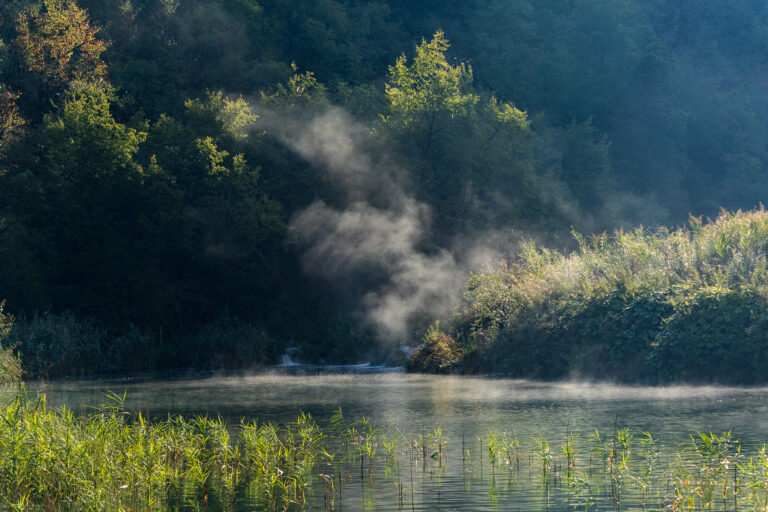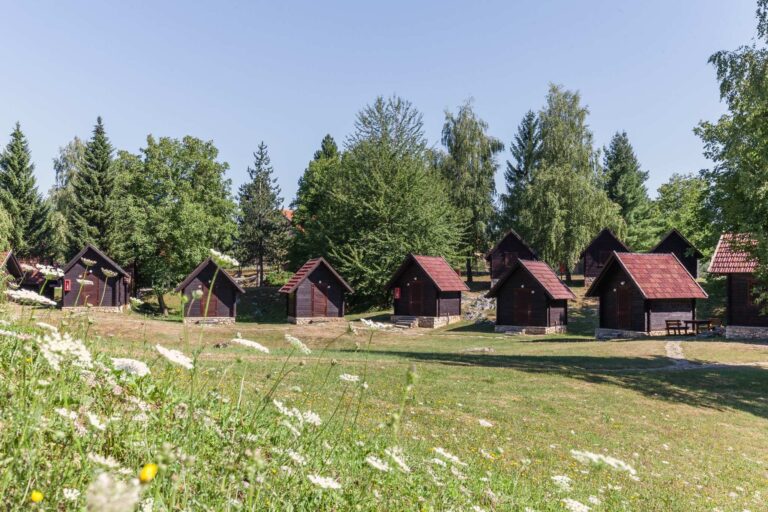

Croatia is renowned for its stunning natural beauty, and Krka National Park is undoubtedly one of its top attractions. Located in the heart of Dalmatia, Krka is a pristine oasis of lush greenery, cascading waterfalls, and a rich history. For those seeking an adventure that combines breathtaking landscapes with cultural heritage, Krka National Park is a destination you simply cannot miss. Whether you’re a nature enthusiast, a photography lover, or someone looking to relax in an extraordinary setting, Krka offers an experience that will leave you speechless.
In this guide, we will explore the top reasons why Krka National Park should be on your travel itinerary, covering everything from the best places to visit within the park, essential travel tips, and the best time to experience its beauty. Read on to discover why Krka is one of Croatia’s most visited national parks.
What is Krka National Park?
Krka National Park, located in central Dalmatia, covers an area of 109 square kilometers and stretches across the Krka River. The park is renowned for its seven stunning waterfalls, some of which cascade into crystal-clear pools. It’s a haven for nature lovers, with abundant wildlife, lush forests, and a rich historical backdrop that makes it a unique blend of natural and cultural heritage.
The park is also home to Visovac Island, an area of great religious significance, and several historical sites, including monasteries and medieval fortresses. With its serene landscapes and impressive natural wonders, Krka National Park is an ideal location for anyone looking to explore Croatia’s untouched beauty.
Why You Should Visit Krka National Park
1. Breathtaking Waterfalls
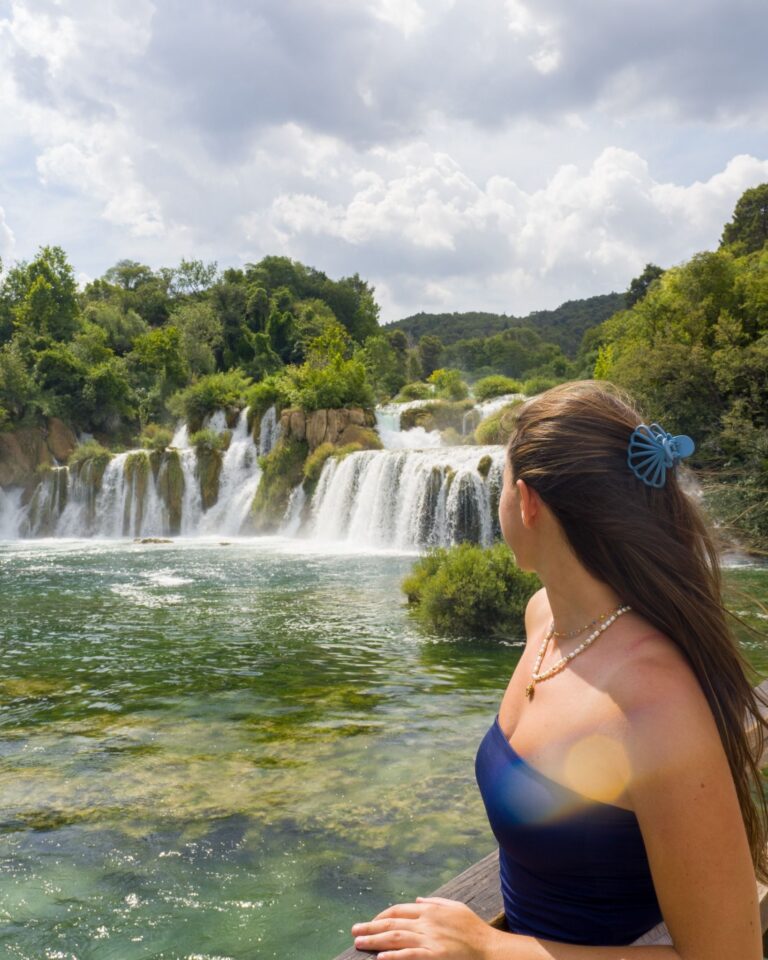
The Krka River flows through the park, creating a series of waterfalls that are simply awe-inspiring. Among the most famous is Skradinski Buk, a spectacular waterfall system best experienced from the marked walking route and viewpoints. Swimming is not permitted at Skradinski Buk. The park currently permits swimming only in designated areas at Roški slap from 1 June to 30 September, at your own risk and subject to weather and water levels. For the practical details, read our guide to swimming at Krka and Plitvice.
Another must-see waterfall is Roški Slap, characterized by its many smaller cascades and tranquil surroundings. A less-crowded alternative to Skradinski Buk, Roški Slap offers a peaceful escape with opportunities to explore the nearby medieval watermills.
If you’re a fan of dramatic landscapes, Manojlovac Slap, the tallest waterfall in the park, is another breathtaking spot that provides the perfect backdrop for hiking or a quiet moment of reflection.
2. Visovac Island
Visovac Island is a unique spot in the heart of Krka National Park. This small island, accessible by boat, is home to a 14th-century Franciscan monastery. The island’s peaceful atmosphere, surrounded by pristine waters, provides a perfect place for meditation, reflection, and historical exploration. Visitors can enjoy a peaceful boat ride to the island and learn about its rich history and the monks who have lived here for centuries.
3. Rich Flora and Fauna
Krka National Park is teeming with life. The park is home to diverse plant species, including lush Mediterranean flora and oak forests. The unique climate of the park also attracts a wide range of wildlife, from birds to butterflies and various mammals. Birdwatchers will be delighted to spot species like the heron, osprey, and kingfisher, while nature lovers can enjoy wandering the trails and spotting the diverse vegetation that thrives here.
4. Historical Significance
The park is rich in history, dating back to Roman times. Several sites within the park are of historical importance, including the Krka Monastery near Roški Slap, and the remains of ancient Roman watermills. Visitors can explore Burnum, an ancient Roman military camp, which houses ruins of a Roman amphitheater and a temple dedicated to the Roman god of war, Mars.
The Monastery of St. Archangel Michael, also known as the Krka Monastery, is another important historical site within the park, offering insight into the religious significance of the area throughout history.
5. Numerous Hiking Trails
If you’re into hiking, Krka National Park offers an array of hiking trails suitable for various fitness levels. From easy walks along the riverside to more challenging treks to reach the park’s highest points, there’s a trail for everyone. Hiking gives visitors the opportunity to immerse themselves in the park’s serene environment, with views of the waterfalls, lush greenery, and tranquil rivers.
If Krka is only one stop in a wider outdoor itinerary, our guide to hiking in Croatia compares trails through the country’s mountains, forests and coastal landscapes.
Best Time to Visit Krka National Park
Spring (April – June)
Spring is one of the best times to visit Krka National Park. The weather is mild, with daytime temperatures averaging between 18°C and 22°C (64°F to 72°F), and the park’s flora is in full bloom. It’s also a less crowded time, which means you can enjoy the peaceful beauty of the waterfalls without the hustle and bustle of peak tourist season.
Summer (July – August)
Summer is the high season for Krka, and the park can get crowded, so an early start makes a real difference. Temperatures often reach the mid-30s°C (90°F+), so bring sunscreen, a hat and plenty of water. Remember that swimming is not permitted at Skradinski Buk.
Autumn (September – October)
Autumn offers the perfect balance: fewer crowds, pleasant weather, and the foliage turning golden and red. The water levels in the waterfalls are often at their highest in early autumn, making for some truly spectacular views. This is an ideal time for photographers.
Winter (November – March)
Winter is the least crowded season, and while it can be cold, it offers a peaceful experience for those who prefer to explore the park at a slower pace. Some of the park’s facilities may be closed during winter, but the serene beauty of Krka covered in winter’s chill is still worth experiencing.
How to Get to Krka National Park
By Car
The most convenient way to reach Krka is by car. From Split, the drive takes about 1.5 to 2 hours, while from Šibenik, it’s just a 20-minute drive. The park has several entrances, including the one near the town of Skradin, which is the most popular entry point.
For more practical route details, read our guide to visiting the Krka waterfalls near Split.
By Public Transport
If you’re traveling by public transport, buses run regularly from Split, Zadar, and Šibenik to Skradin, where you can catch a boat to Skradinski Buk. The boat ride adds to the overall experience, providing scenic views of the park’s landscapes.
By Guided Tour
For those who prefer to have a local guide, there are plenty of guided tours available from major cities in Croatia, such as Split and Zadar. These tours often include transportation, entry tickets, and a guide to help you explore the park’s highlights.
FAQs
1. Can I swim in the waterfalls at Krka National Park?
No. Swimming is not permitted at Skradinski Buk or directly beneath the waterfalls. The park currently permits swimming only in designated areas at Roški slap from 1 June to 30 September, at your own risk and subject to weather and water levels. Always follow the current signs and staff guidance.
2. What is the entrance fee for Krka National Park?
Entrance fees vary by season and ticket type. For individual adults in 2026, the all-access land ticket ranges from €7 in the low season to €40 from June through September. Check the official Krka National Park price list before travelling because rates can change.
3. How long should I spend at Krka National Park?
A visit to Krka typically takes about 3 to 4 hours, but if you want to explore all the trails, waterfalls, and historical sites, consider spending the entire day.
4. Is Krka National Park accessible for people with disabilities?
Yes, Krka National Park has accessible paths and facilities for visitors with disabilities. However, some areas with more rugged terrain may be challenging to reach.
5. What should I bring to Krka National Park?
Bring sunscreen, comfortable walking shoes, a hat and plenty of water. Swimwear is relevant only if your plans include the designated Roški slap swimming area during permitted dates; it cannot be used for swimming at Skradinski Buk.
Planning from Split? If you want to see both waterfall parks without a rushed day-trip feel, read about our 2-day Krka and Plitvice tour from Split, or send NP Tours Croatia a quick inquiry.